


Berkshire support hosiery comes in two options here: 8100 for full support and more leg coverage, and 8101 for light support with a sheerer look. Both have graduated compression, a control-top panty, and a reinforced toe, so the main choice comes down to the coverage and support you prefer.
If you wear pantyhose for work, travel, or a long day out, those differences matter. Here's how to compare the styles, find your size, and choose the pair that feels right for your routine.
What distinguishes Berkshire 8100 from 8101?
The clearest differences are support level and denier. The style number can be easy to overlook, but 8100 and 8101 are made for different preferences.
8100 offers full support
Berkshire 8100, also called Relief 70, is described as full-support graduated-compression pantyhose. Its 70-denier leg gives fuller coverage than the 8101, so it's a good option when you prefer a more substantial look under skirts and dresses.
The leg fabric is 78% nylon and 22% spandex. That blend gives the fabric stretch while creating a firmer feel than the lighter 8101. Choose 8100 if you want more coverage and a more noticeable support feel through the leg.
8101 has lighter support and a sheerer finish
Berkshire 8101, or Relief 30, is the light-support choice. Its 30-denier leg gives a sheer appearance, with graduated compression and less coverage than the 8100. The leg is 80% nylon and 20% spandex.
Denier describes the hosiery's coverage, not a precise compression pressure. The product listings describe 8100 as full support and 8101 as light support, but don't give a pressure measurement. So, choose based on the support level and finish you want, rather than treating denier as a compression rating.
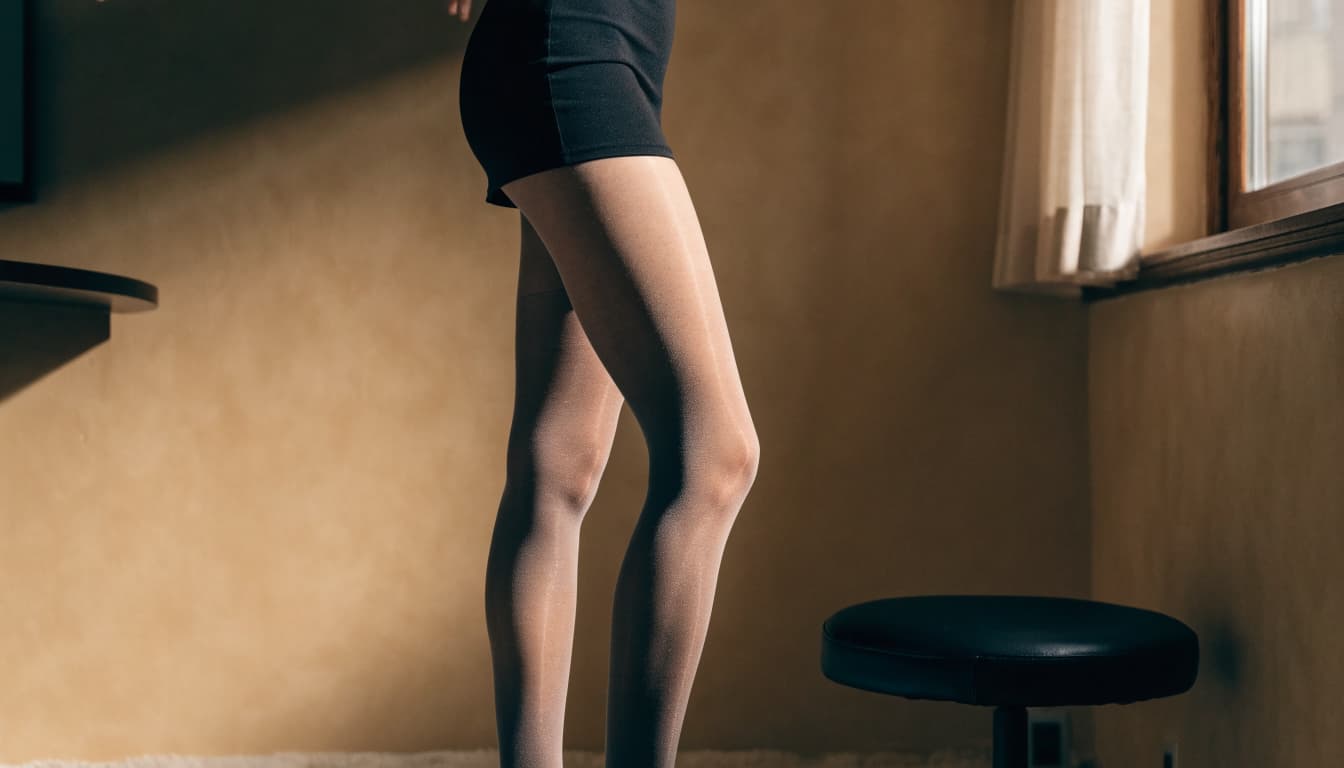
What the two styles have in common
Both styles share several practical details, which makes choosing between them a little easier. You're comparing coverage and support, not starting from two entirely different designs.
Control top, cotton-blend crotch, and reinforced toe
The 8100 and 8101 both have a control-top panty, a cotton-blend crotch, and a reinforced toe. The panty section of each style is 84% nylon and 16% spandex.
A control top can create a smoother line beneath a skirt or dress, while the reinforced toe adds strength at the front of the hosiery. Both styles have the same basic construction details, so let your preference for leg coverage guide the decision.
Graduated compression in both styles
Each pair is described as graduated-compression hosiery. The product listings say the graduated leg compression is designed to increase circulation. The difference is that 8100 is labeled full support, while 8101 is labeled light support.
If a healthcare professional has recommended a particular compression level for you, follow that guidance when choosing hosiery. These product descriptions don't list a specific pressure measurement, so the style names alone aren't a substitute for a medical recommendation.
How to choose between 8100 and 8101
Think about how you want your legs to look and feel during the day. Your outfit, the amount of coverage you like, and your personal comfort can all help narrow the choice.
Pick 8100 for more coverage
The 8100 is the fuller-coverage option. Its 70-denier leg is well suited to days when you'd rather have a more substantial finish than a sheer one. It pairs naturally with workwear, darker skirts, and outfits where a more covered look feels comfortable.
The firmer leg blend also makes 8100 a sensible choice if you prefer the feel of full support. For more ideas on wearing support styles through a long shift, see our guide to Berkshire support hosiery for long shifts.
Pick 8101 for a sheerer look
The 8101's 30-denier leg is the lighter-looking option. Choose it when you want sheer coverage and light support to go with a polished outfit, or when 70 denier feels like more coverage than you prefer.
It can work well for office clothes, dresses, and skirts that look best with a lighter leg finish. Both styles include a control top and reinforced toe, so the 8101 keeps those features while offering a sheerer leg.
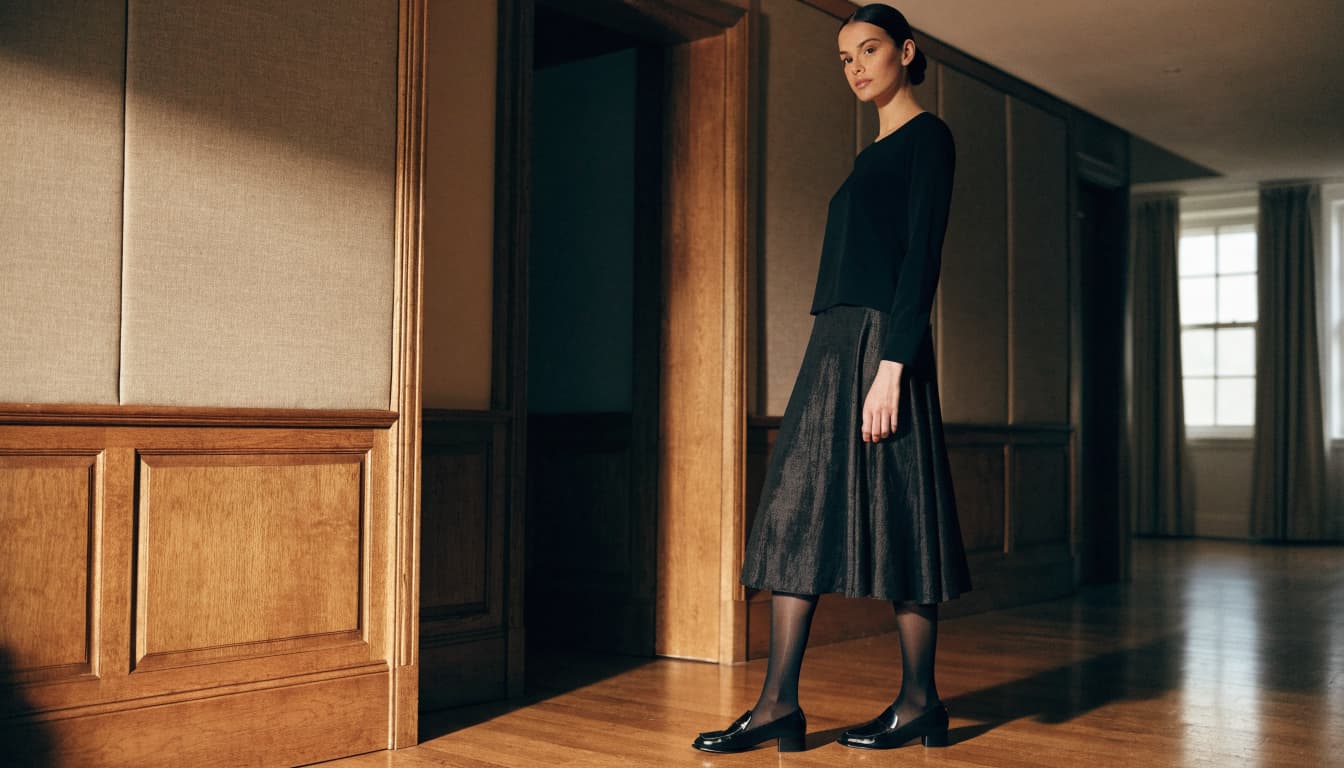
Compare the finish, colors, and fabric
Your choice doesn't have to be based on support alone. The fabric blend and color can help you decide which style will fit more easily into your wardrobe.
The leg blends are similar, but not identical
The 8100 leg is 78% nylon and 22% spandex. The 8101 leg is 80% nylon and 20% spandex. Both have stretch, though 8100 has a slightly higher percentage of spandex in the leg.
That difference is one part of the construction, not a promise that one pair will fit every body better. Fit also depends on choosing the right size for the specific style.
Choose a shade that suits your outfit
The product listings show City Beige for the 8100 and Fantasy Black for the 8101. The 8101 listing also includes Natural Tan. These are examples of listed shades, not a statement that either style comes in only one color.
Black can create a coordinated line with dark shoes and a darker skirt. A tan shade can offer a softer, more natural-looking finish with lighter outfits. For a clearer sense of how coverage affects an outfit, see our guide to hosiery denier and coverage.
Find your size using the product chart
Both styles list the same size range and height-and-weight chart. Use both measurements together rather than choosing by dress size alone.
| Size | Height | Weight |
|---|---|---|
| 1-2 | 5'2" to 5'6" | 100 to 135 lb |
| 2+ | 5'0" to 5'5" | 140 to 185 lb |
| 3-4 | 5'5" to 5'10" | 130 to 170 lb |
| 1X-2X | 5'5" to 5'10" | 170 to 210 lb |
| 3X-4X | 5'5" to 5'10" | 200 to 230 lb |
Read the chart for your chosen style
The listed ranges overlap, so it's worth looking at both height and weight before settling on a size. Hosiery needs enough length through the legs and body to sit comfortably. If a pair is too short, it can pull at the toe or crotch; if it's too large, the fabric may sag or shift.
Product charts can vary between styles, even within the same brand. Our guide to choosing sizes for 8100 and 8101 hosiery offers more help with product-specific sizing.
A comfortable fit should feel smooth
When the size is right, the hosiery should sit evenly without excessive pulling, sagging, or pinching. The waistband should feel comfortable, and the toe should lie flat inside your shoe. Those details matter just as much as the difference between full and light support.
Price and care details to know
The listed prices are close, though the 8100 price appears differently across the product and collection listings. The care directions are the same for both styles.
Compare the displayed prices
The 8100 product page lists the style at $12.95, while the support collection displays it from $11.95. The 8101 is listed at $12.95. Both are priced as individual pantyhose styles, with the 8100 display varying between the two listings.
Wash both styles gently
For both 8100 and 8101, the care directions are to hand wash separately in warm water, avoid bleach, and drip dry. Gentle handling can help protect the stretch and smooth finish of the hosiery.
Take care when putting them on, too. Gather each leg down toward the toe and ease the fabric up gradually, instead of pulling hard from the waistband. Our tips for caring for hosiery cover washing and storage as well.
Key takeaways
- Choose 8100 for full support and 70-denier coverage.
- Choose 8101 for light support and a sheer 30-denier finish.
- Both styles have graduated compression, a control top, a cotton-blend crotch, and a reinforced toe.
- Use the height and weight chart for the exact style and size you're considering.
- Denier describes coverage, not a specific compression pressure.
Frequently asked questions
Is 8100 more supportive than 8101?
The product listings describe the 8100 as full support and the 8101 as light support. They don't provide a specific compression pressure, so the descriptions establish the relative support category, not a measured pressure level.
Does 70 denier mean more compression?
No. Denier describes the yarn and the resulting coverage. The 70-denier 8100 has a fuller look than the 30-denier 8101, but denier alone doesn't tell you the compression pressure.
Do both styles have a reinforced toe?
Yes. The 8100 and 8101 both have a reinforced toe, along with a control-top panty and a cotton-blend crotch.
Which size should I choose if my measurements fall in overlapping ranges?
Compare both your height and weight with the chart for the style you want. Since the listed ranges overlap, use the size range that best fits both measurements instead of relying on one number or your dress size alone.
Choose the pair that suits your day
Berkshire 8100 and 8101 share useful everyday features, but they offer different finishes. The 8100 gives you fuller coverage and full support, while the 8101 keeps the look sheer with light support.
Start with the coverage you like, then use the chart to find a comfortable fit. When those two choices feel right, the rest of your outfit comes together beautifully.


