


A pantyhose gusset is the small fabric panel at the crotch that adds room where the two legs meet. It should rest comfortably against your body, without hanging low, bunching, or pulling tightly.
When you're getting dressed for work or an evening out, that little panel probably isn't your first thought. But, a comfortable fit here makes sitting, walking, and wearing your favorite dress much easier! Start with what the gusset does, then look at how the whole pair sits.
What a Pantyhose Gusset Does
A gusset gives the crotch area a shaped insert instead of bringing all the surrounding seams together at one narrow point. That extra room helps the panty portion accommodate your body as you move.
Depending on the construction, the panel may be diamond-shaped, oval, or longer through the crotch. Its fabric may look different from the sheer legs, and that's perfectly normal.
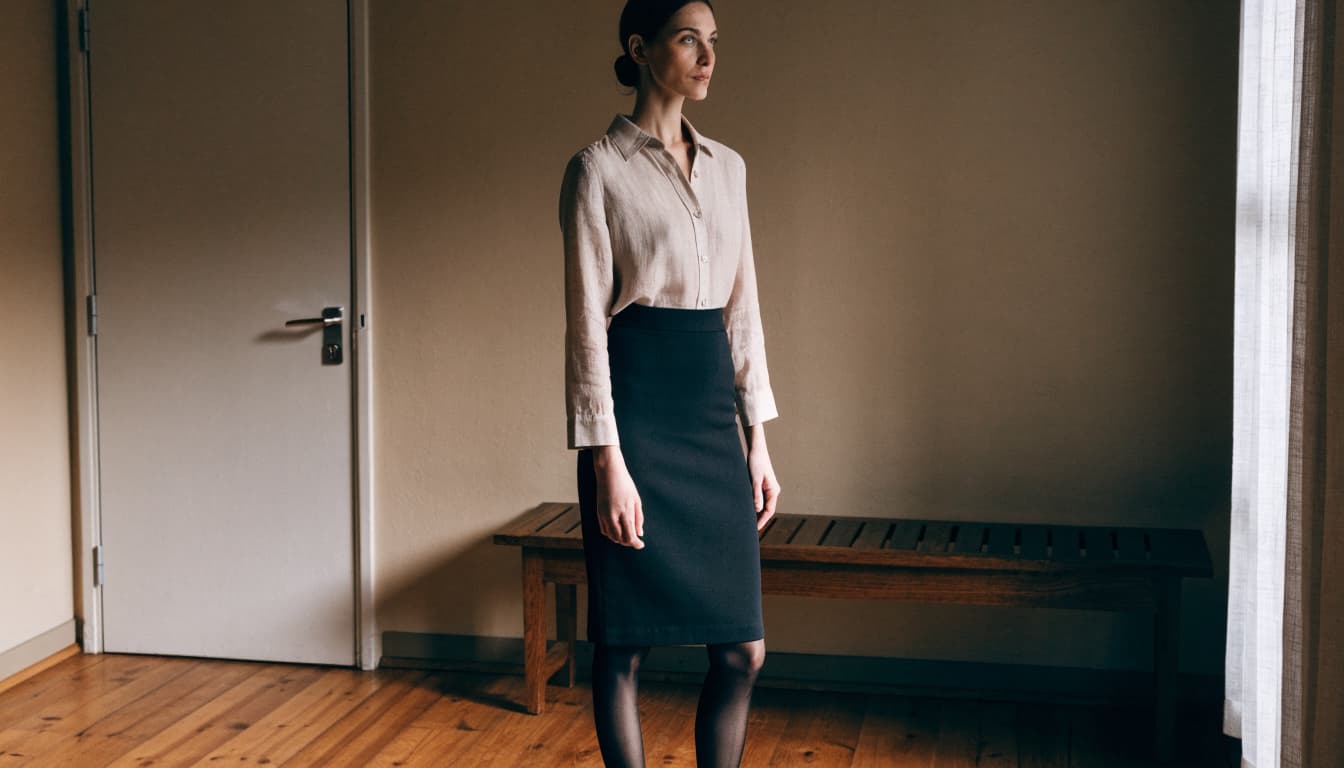
The gusset and the control top have different jobs. A control top provides shaping through the panty portion. The gusset supplies room at the junction between the legs. A cotton-blend gusset doesn't tell you how firmly the waist or tummy will feel.
Plus, the gusset can't make up for legs that are too short or a panty that's too snug. Those proportions need to fit, too.
Common Pantyhose Gusset Styles
Material and shape both affect how a gusset feels. A larger panel isn't automatically more comfortable, and a cotton label doesn't tell the whole fit story.
Cotton and cotton-blend gussets
Cotton and cotton-blend panels provide a softer fabric surface at the crotch. Cotton absorbs moisture, although the overall comfort still depends on the garment's construction and fit.
For a concrete example, our ultra-sheer control-top pantyhose, style 4419, have a cotton-blend crotch. They also have a 15-denier leg and reinforced toe. The panty is 80% nylon and 20% spandex, while the leg is 100% nylon.
Those details describe different parts of the same pair. The sheer leg gives a light finish, the control top provides shaping, and the cotton-blend crotch is a separate construction detail.
Sheer panels and different shapes
Some pantyhose have a sheer or matching-fabric gusset rather than a contrasting cotton panel. Others have an extended panel that provides more room through the crotch and seat. Gussetless designs don't have a separate insert.
Shape matters as much as appearance. A panel that's longer or wider needs to suit the surrounding panty proportions, rather than leave extra fabric between your legs.
Choose the construction that feels comfortable under your clothes. A discreet panel is useful, but smooth seams and enough room to move deserve just as much attention.
How a Comfortable Gusset Should Fit
The gusset should sit close to your body with gentle contact. You shouldn't need to keep lifting it or pulling it away from your skin.
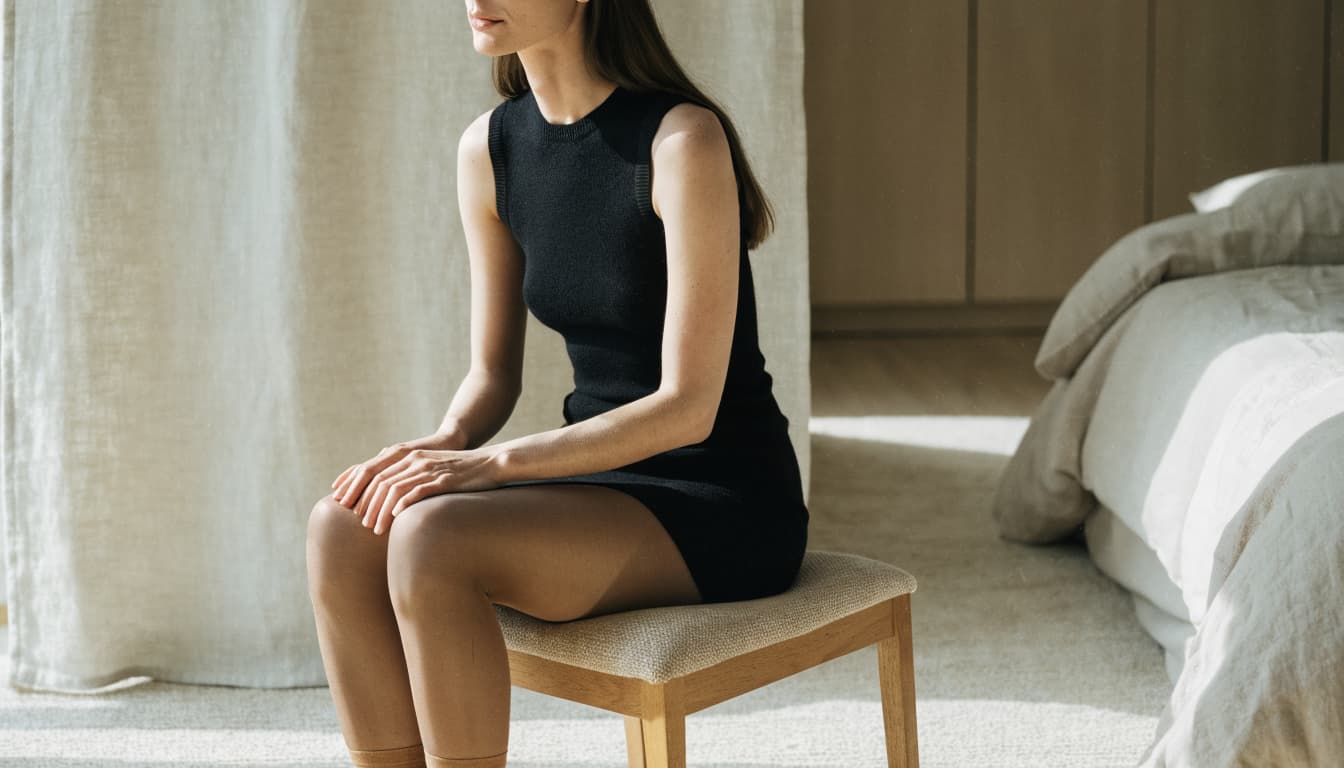
Look for smooth, even placement
The panel should lie reasonably flat, without a thick fold, twisted edge, or taut seam pressing into you. It shouldn't be pulled noticeably toward the front or back.
Look beyond the gusset, too. The waistband should sit flat at the height intended by the design. The panty should cover your hips comfortably, and the legs should look even without heavy wrinkles.
Our queen-size hosiery fit guide brings those fit cues together. Smooth and secure is the goal, with no constant adjusting.
Sit and walk before finishing your outfit
A pair can feel comfortable while you're standing and quite different once you're seated. Sit in a chair, bend your knees, and walk around before adding your shoes and dress.
The gusset should stay comfortably placed through those ordinary movements. You may notice the fabric, but you shouldn't feel a sharp seam, pinching, or increasing downward pull.
And, give yourself room to breathe normally. Getting dressed shouldn't leave you planning how soon you can change!
Signs Pantyhose Are Too Tight or Too Loose
A misplaced gusset can point to a size issue, uneven dressing, or proportions that don't suit you. The surrounding fabric usually gives you more clues than the panel alone.
When the fit is too tight or short
A tight gusset may press firmly into the crotch, pull at the upper thighs, or feel uncomfortable when you sit. Seams may leave sore pressure points rather than rest smoothly.
Too little length can cause a different problem: the gusset stays low because the legs and rise can't reach comfortably. Pulling harder at the waistband increases tension without supplying the missing length.
Watch for strained toes, a waistband that gets dragged downward, or fabric stretched unevenly across the thighs. Don't choose a smaller size for extra control. Choose the shaping level you enjoy in a size that fits.
When the fit is too roomy
A loose gusset may sag, fold over itself, or shift as you walk. You may also see fabric collecting at the ankles, knees, or behind the thighs.
First, smooth the hosiery upward evenly. Fabric left around the calves can make the upper portion sit lower than it should.
If excess fabric remains after that adjustment, the pair may have more length or width than you need. A different size range or panty construction can give a smoother result. You don't have to accept bunching as part of wearing hosiery.
Settle the Gusset Into Place Gently
Even the right size can feel wrong when the fabric is twisted or stretched unevenly. Taking your time helps the legs and panty settle together.
Use this simple order:
- Remove rings and make sure your nails are smooth, then sit down and gather one hosiery leg toward the toe.
- Place your foot inside and ease the fabric over the ankle, calf, and thigh in small sections.
- Repeat on the other leg, bringing both sides up evenly before easing the panty over your hips.
- Settle the gusset, smooth the panty with your palms, and position the waistband without folding it.
Use the pads of your fingers rather than pinching a small patch of delicate fabric. Pulling hard from the waistband can leave the legs under tension while the crotch still sits too low.
If something feels twisted, lower the panty slightly and smooth the fabric again. Don't keep stretching the gusset itself.
Our tips for preventing a rolling waistband cover the same gentle approach. A little patience now means fewer adjustments once you're dressed!
Choose Enough Length and Room Through the Panty
Comfort starts with the proportions of the whole pair. Leg length, rise, and room through the hips all influence where the gusset settles.
Use height and weight together
Choose using the chart for the particular style, rather than your dress size alone. Two women who wear the same dress size may need different hosiery sizes because their heights differ.
For example, style 4419 lists size 1 for heights of 5'0" to 5'5" and weights of 100 to 125 pounds. Size 4 covers 5'6" to 6'0" and 145 to 175 pounds. Those ranges belong to that style, not every Berkshire pair.
Our hosiery sizing tips for tall women explain why enough leg length matters. Stretch gives fabric flexibility, but it can't replace the length your body needs.
Consider rise and shaping separately
The rise is the distance through the panty between the crotch and waistband. If it's too short for you, movement can pull the top downward even when the waistband initially feels comfortable.
A control top should feel supportive without making sitting unpleasant. Prefer less hold through your middle? A non-control style may suit your everyday outfits better.
Choose shaping for the feel you enjoy, then choose enough room through the panty. A higher spandex percentage alone doesn't tell you how firm a finished pair will feel. The knit and size matter, too.
Key Takeaways for a Comfortable Fit
A few simple cues make gusset fit easier to judge:
- The panel should rest close to your body without sagging, folding, or pressing painfully.
- Tightness at the crotch and a low-hanging gusset can both result from too little room or length.
- Smooth both legs upward before deciding that the size is wrong.
- Use height and weight together, then consider the rise and shaping you prefer.
Comfort during movement matters more than how the panel looks while you're standing still.
Frequently Asked Questions About Gusset Fit
Why does the gusset hang low when the waistband fits?
The waistband fitting doesn't guarantee that the legs, rise, and panty have enough room. A stretchy waistband may reach your waist while the fabric below remains under tension.
Ease the hosiery on evenly before judging the fit. If the gusset still won't reach comfortably, choose a size range or construction with better proportions for you. Repeatedly lifting the waistband won't solve that mismatch.
Can you wear underwear with a cotton-blend gusset?
Yes. A cotton-blend gusset doesn't require you to skip underwear. Wear what feels comfortable with your outfit and your usual preferences.
Smooth, well-fitting underwear can reduce extra bunching beneath close-fitting clothes. If a seam or folded edge feels uncomfortable, adjust the layers separately rather than pulling the hosiery tighter. The gusset should still sit comfortably whether you choose to wear underwear or not.
A Small Panel, a More Comfortable Fit
A well-fitting pantyhose gusset rests where it belongs while the legs and panty share the stretch evenly. It shouldn't need repeated tugging to get you through the day.
Choose enough length and room, ease the fabric on gently, and give the pair a quick sitting-and-walking try. That smooth, comfortable fit lets you enjoy your outfit without thinking about the little panel underneath.


