


You pull on a fresh pair of hosiery, smooth the legs, and everything looks lovely. Then a few steps later, the fabric starts to wrinkle around your ankles. It can be frustrating, but ankle sagging is often a fit or dressing issue, not a reflection of your body.
The best place to start is the product's size chart, followed by a slower, more even way of putting the hosiery on. A few small adjustments can make your hosiery fit feel smoother and more comfortable through the day.
Key Takeaways
- Extra fabric can gather around the ankles when a pair has more room or length than you need.
- Choose hosiery by the height and weight ranges on the chart for that style, not by clothing size alone.
- Gather each leg to the toe and ease the fabric upward in small sections.
- Check the waistband, panty, knees, toes, and ankles together. One area can help explain what you feel elsewhere.
- If careful adjustment leaves persistent wrinkles or tightness, try a different size range or style next time.
Why Hosiery Sags at the Ankles
Ankle sagging usually means the fabric isn't sitting evenly along the leg. Sometimes there is more length or room than your legs need. Sometimes the material hasn't been distributed evenly while dressing, leaving extra fabric at the ankle instead of smoothing it up the calf.
A pair can also feel different from another style in the same size. The knit, rise, and overall construction vary, so a size that feels comfortable in one pair may not feel the same in another. That's why we recommend checking the chart for the exact style you're considering.
Too much room or length
If the hosiery feels comfortable at the waist and hips but keeps pooling near the ankles, the leg may be roomier or longer than you need. Look at the rest of the leg, too. Wrinkles at the knees or behind the thighs can point to extra fabric elsewhere, rather than a problem that starts at the ankle.
A larger size isn't always the answer. If the pair already has extra material, more room can make the bunching more noticeable. The aim is a smooth fit without tight bands or pulling.
Unevenly distributed fabric
Hosiery pulled up quickly may not be smoothed evenly over the foot, calf, and knee. That can leave extra fabric lower on the leg, even when the size is close to right. It helps to pause and adjust the hosiery in small sections instead of pulling it upward all at once.
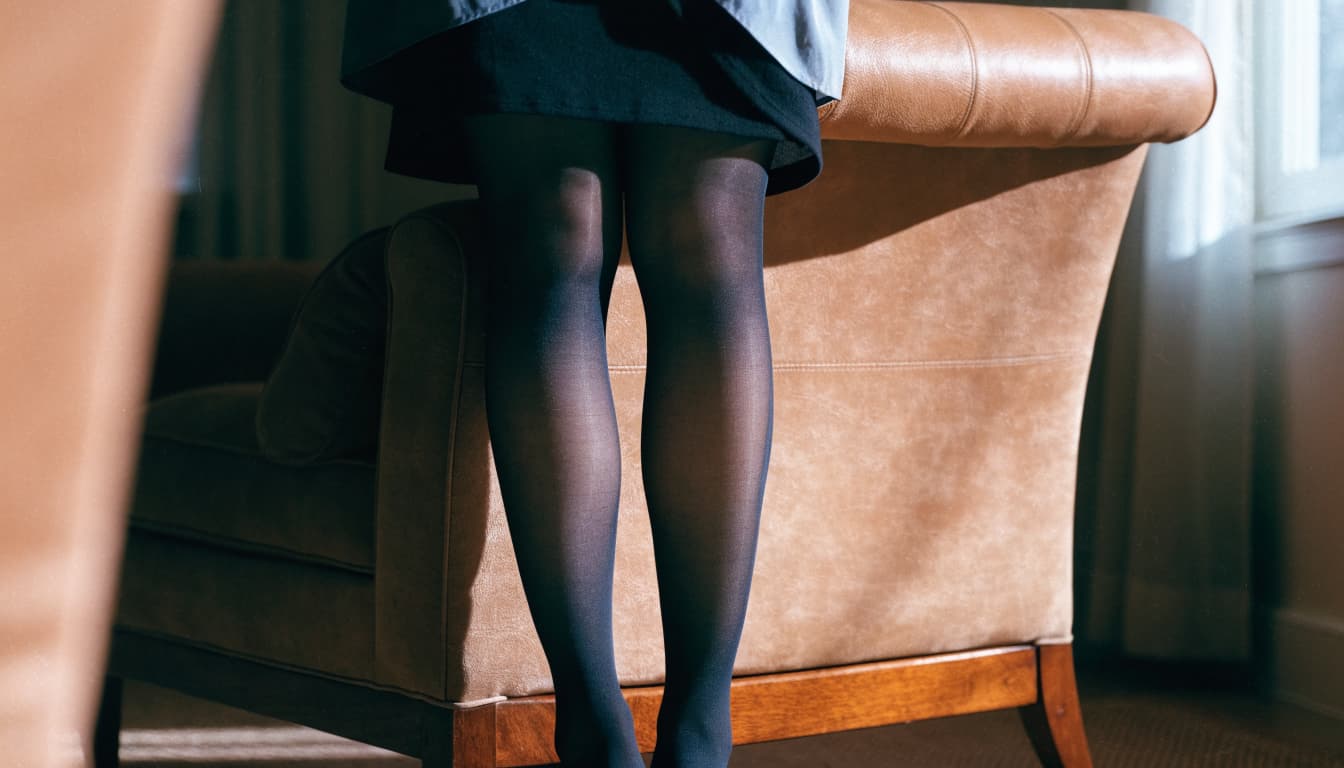
Check the Rest of the Fit Before Changing Sizes
Ankle wrinkles are one clue, but they don't tell the whole story. Notice how the waistband sits, where the panty section reaches, and whether the fabric feels comfortable when you sit and move. Together, these details can help you decide if you need a different size or simply a more careful adjustment.
Look for a pattern from waist to toe
A comfortable pair should have a waistband that lies flat and a panty section that reaches the right height. The legs should look even, without heavy wrinkles or bands that feel tight. If the waistband rolls or digs in while the ankles sag, the overall size or proportions may not be working for you.
Pay attention to the toes as well. Pulling at the toe area or a panty that won't stay in place can suggest the fit isn't balanced. Don't keep tugging one section to correct another. Take the hosiery off and start again, smoothing the fabric evenly as you go.
Notice how the hosiery feels in motion
Check the fit while standing, walking, and sitting. A pair that seems fine in front of the mirror can feel different once you move. If the ankles wrinkle after a few steps, smooth the fabric once and see whether it stays in place. If it gathers again, make a note of the fit clues from the waist, knees, and toes.
There's no need to blame your body when hosiery doesn't feel right. Different styles are made with different proportions, and the same size label doesn't promise the same feel across every construction.
Choose a Size Using the Style's Chart
Hosiery sizing doesn't work exactly like choosing a dress or jeans size. Height and weight both matter, and body shape and the hosiery's knit can affect where the waistband lands and how the legs feel. Use the size chart listed for the style in your cart. Berkshire's Queen hosiery size guide offers more detail on comparing measurements and fit ranges.
If you're between two sizes, think about where you need more ease. A longer rise, fuller thighs, or a preference for a higher waistband can affect which option feels comfortable. Avoid choosing a smaller size just to get a closer fit. Hosiery needs enough length to reach the waist and enough room to sit smoothly.
Use height and weight together
Berkshire's charts pair height and weight, so compare both rather than relying on one measurement or your usual clothing size. The chart for one style may differ from another, even within a category. The hosiery fit tips for tall women include one example from Size Chart A: its Tall size is listed for women from 5'6" to 5'9" who weigh 145 to 165 pounds.
Consider your proportions and preferred rise
If your height and weight point to different ranges, don't automatically choose the smaller one. Hosiery needs enough length through the legs and rise to sit comfortably. If you have longer legs or want the waistband higher, a longer-ranging option may feel better. Select styles include petite, tall, plus, and Queen options, so you can shop for proportions as well as coverage.
Put Hosiery on Slowly for a Smoother Leg
A little extra time while dressing can help distribute the fabric more evenly. Sit down, gather one leg of the hosiery to the toe, and ease it over your foot and calf. Work upward a small section at a time, smoothing as you go. Repeat on the other leg, then adjust the waistband once both legs are in place.
Avoid pulling the waistband upward before the legs are positioned. That can leave the lower sections uneven and puts extra strain on the fabric. Use the palms and soft parts of your fingers to smooth the hosiery, especially around the ankles and knees.
The Berkshire queen-size hosiery guide shares these gradual dressing steps and fit cues. Give yourself a few minutes, especially before an event. A rushed tug can make it harder to see whether the fabric is sitting smoothly.
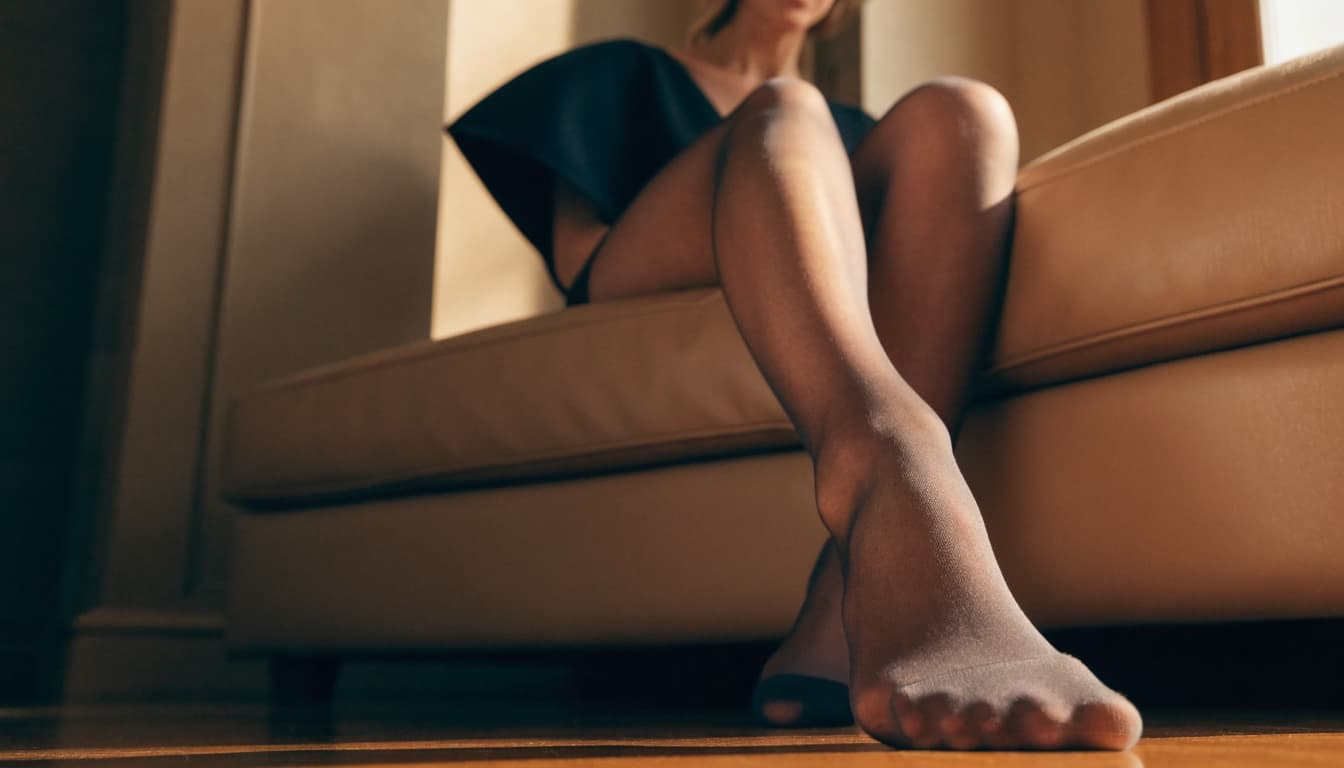
Match the Hosiery Style to the Way You Dress
The right size matters, and so does the style. Sheer pantyhose, opaque tights, thigh highs, and knee highs each fit differently. Start with the look and coverage you want, then use the chart for that specific pair. If ankle wrinkles have been a repeat problem, trying another construction or size range may help you find a more comfortable feel.
Choose coverage for the occasion
Sheer hosiery can give dresses and skirts a light, polished finish. Opaque tights offer fuller coverage and work well with boots or cooler-weather outfits. A sandalfoot style can suit open-toe shoes, while knee highs pair easily with trousers when you want coverage just below the hem.
These choices affect the look of an outfit, but they don't replace a good fit. If your preferred style repeatedly sags or feels tight, consider a different fit range before changing to a heavier or more controlling style.
Let comfort guide the size
The label is a starting point, not a verdict. If one size feels tight at the waist or toes while another leaves extra fabric at the ankles, compare the product charts and try a style with a fit range that better matches your proportions. Berkshire offers different size options across selected styles, including options for women who need more room or a shorter or longer fit.
Hosiery should feel smooth and secure without constant adjusting. A style that fits comfortably is easier to wear than one you have to keep pulling into place.
Simple Styling Tips for a Polished Look
Before choosing shoes, smooth the hosiery from toe to waist and check the ankle area while standing naturally. A full-length mirror helps you see if the fabric is even on both legs. If you spot wrinkles, smooth them gently rather than pulling hard from the waistband.
Think about how your shoes and hem meet the hosiery. Trousers can cover knee highs, while a skirt or dress may call for pantyhose or tights. With a short hem, check the whole leg so the fabric looks even from thigh to ankle. Black and tan hosiery can both be stylish choices. Pick the shade and coverage that suit your outfit, then let comfort make the final call.
Frequently Asked Questions
Can hosiery sag at the ankles even if the waistband fits?
Yes. The waist and leg can feel different because sizing and construction vary across styles. If the waistband lies flat but fabric keeps pooling at the ankles, there may be extra room or length in the leg, or the fabric may need to be smoothed more evenly.
Should I size down if my ankles wrinkle?
Not automatically. Sizing down may make the waist, hips, or toes feel too tight. Check the chart for the exact style and consider the fit from waist to toe before choosing a different size.
Can putting hosiery on differently improve the fit?
It can help if the fabric hasn't been distributed evenly. Gather the leg to the toe, ease it upward over your foot and calf, and smooth in small sections. If wrinkles remain after careful adjustment, consider another size range or style next time.
How do I know when to try another size range?
Look for more than one fit clue. A waistband that rolls or digs in, a panty section that doesn't reach comfortably, tight bands, or repeated bunching can all mean the pair isn't the right fit. Compare your height and weight with the chart for the style you're shopping.
Find a Fit That Feels Comfortable
When hosiery sags at the ankles, start with the chart and the way the fabric sits across your whole leg. Extra room, extra length, or uneven dressing can all be worth considering, but one fix won't suit everyone.
Take your time putting hosiery on, and notice how it feels when you move. A smooth, comfortable fit lets you focus on your outfit, not on adjusting your ankles all day.


