


A pair of pantyhose can feel smooth at the waist and legs, then bunch uncomfortably inside your shoes. The cause is often a fit or dressing issue, though the shoe and hosiery toe style matter, too.
The good news is you usually don't need to tug harder or handle the fabric roughly. A better size, a slower way of putting hosiery on, and a toe finish that suits your shoes can make all the difference.
Why hosiery bunches or feels tight at the toes
Toe bunching can happen when the hosiery hasn't been distributed smoothly over your foot, or when the fit pulls too tightly at the front. Checking the rest of the leg can help you tell which is more likely.
Fit clues to notice
If the hosiery pulls at your big toe or your feet feel compressed, the pair may be too short or too small. A shoe can feel comfortable on its own, yet the hosiery may still be under tension inside it.
Extra fabric at the ankles, wrinkles behind the knees, or sagging through the legs can point to a different problem. The hosiery may be too roomy, or it may not have been pulled up gradually. Our fit tips for tall women cover several of these clues, including toe pressure and ankle bagging.
Why the shoe matters
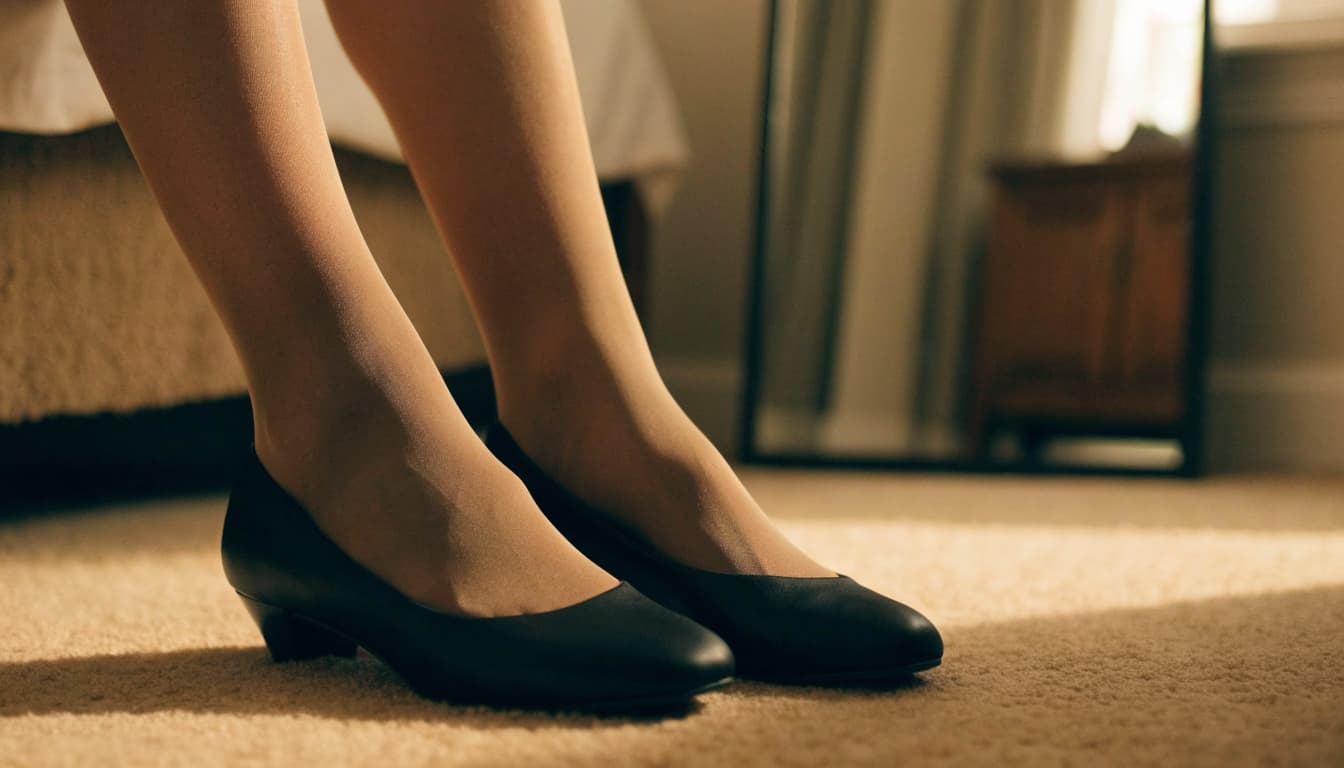
Shoes leave different amounts of room around the toes. If your shoes feel tight at the front, hosiery has less space to settle smoothly, and existing folds may feel more noticeable as you walk. A shoe that pinches or presses on your toes won't be made more comfortable by adjusting the hosiery alone.
Also, feel inside your shoes for rough seams, loose threads, or worn areas. A sharp or rough spot can catch hosiery and make the toe area uncomfortable. Check the shoe before dressing, especially if the same problem keeps happening in one pair.
Choose the right size for the hosiery style
Hosiery sizes don't match clothing sizes one-to-one. Berkshire size charts use height and weight, and sizing can vary with the style and knit. Choosing by dress size alone can leave you with a pair that pulls at the toes or has extra fabric at the ankle.
Use the product-specific size chart
Check the chart for the exact style you're buying, and use your current height and weight to find the size range. Pantyhose and tights can have different sizing, so a size that feels good in one style may not fit the same in another.
If you're between sizes, think about comfort and how the hosiery feels when you sit and move. Don't size down for extra hold. A pair that's under too much tension can pull at the toes and feel uncomfortable through the day. Our Queen hosiery size guide shares more on using height, weight, and the style's knit to find a comfortable fit.
Let the whole fit guide you
A waistband that's hard to position, tightness across the toes, and fabric that won't reach comfortably up the leg are reasons to reassess the size. Constantly tugging at the toe or ankle won't fix a fit that's too small.
On the other hand, extra fabric gathering around your feet or ankles may mean the size or application needs attention. Smooth the pair once, then look at how it sits when you stand naturally. For more sizing questions, see our Berkshire hosiery sizing and fit FAQs.
Put hosiery on gradually, from toe to waist
Pulling hosiery up from the waistband can stretch the upper part before the foot and calf are properly in place. That can use up length you need lower down, leaving the toes tight or the fabric uneven.
Place the toe and heel first
Sit down and gently gather one leg of the hosiery toward the toe. Slide your foot into the foot section, then settle the toe and heel into place before moving upward. Repeat with the other leg.
Now ease the fabric up in small sections, smoothing it over your foot, ankle, calf, and knee as you go. Use the soft parts of your hands and your palms, rather than pulling hard with your fingertips. This helps spread the stretch instead of concentrating it in one spot.
Smooth, don't yank
Once both legs are on, adjust the waistband and smooth any remaining wrinkles. If you spot a fold at the toes, take off your shoe and ease the fabric back into place gently. Pulling harder at the top can make toe pressure worse and strain delicate hosiery.
Give yourself a little time, especially with sheer styles or hosiery with details such as a reinforced toe. Our step-by-step hosiery application tips explain how to put on hosiery carefully without pulling it into place all at once.
Choose a toe style that suits your shoes
Toe construction is worth thinking about when you choose hosiery, but it isn't a cure for poor fit. The right finish can make the hosiery look more at home with your shoes, while the wrong one may show in an open shoe.
Reinforced, sheer, sandalfoot, or toeless
A reinforced toe has a more substantial toe section, which can be a practical choice for closed shoes you wear often. A sheer toe has a lighter appearance at the front of the foot. Sandalfoot hosiery is designed for shoes that expose more of the foot, though fabric still covers the toes.
If you want your toes uncovered, look for a toeless style. Toeless control top pantyhose keep the control top while leaving the toes free. Berkshire styles come in selected shades and sizes, so choose the product details that suit your outfit and fit needs.
Think about what your shoes reveal
A sandalfoot toe can work well with some open shoes, but the hosiery may still show around a narrow strap or dramatic cutout. Try the hosiery with the shoes you plan to wear, then check the toe area from above and from the side.
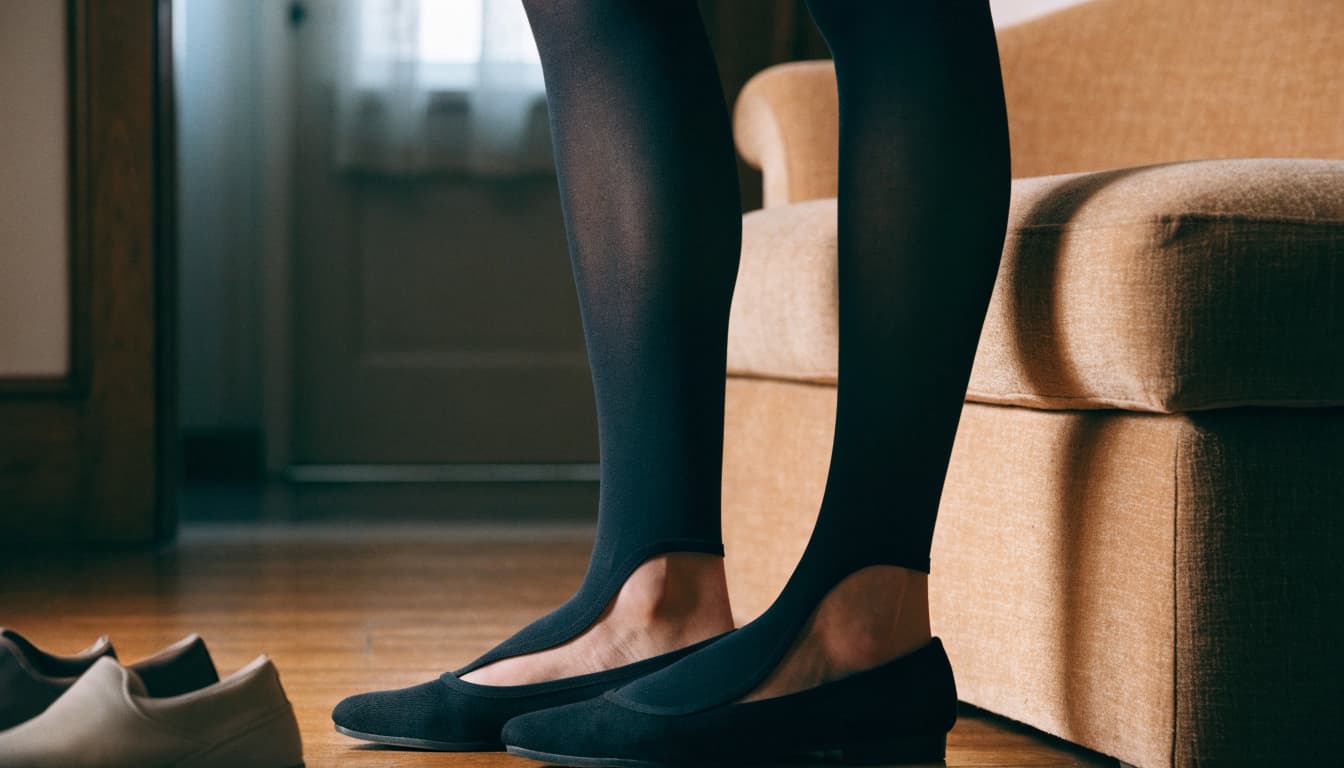
A shoe with a closed toe gives you more coverage, while sandals reveal more of the hosiery finish. Our guide to choosing pantyhose for open-toe styles explains how sandalfoot hosiery works with different openings and straps.
Check shoe fit and the inside of each pair
Hosiery should lie smoothly inside a shoe, but it shouldn't have to fight for space. If the front of your foot feels squeezed once you put your shoes on, take them off and see whether the hosiery is smooth and properly placed.
Try the same hosiery with another pair of shoes that fits comfortably. If the bunching happens in only one pair, the shoe may be too tight at the front or have an interior spot that catches the fabric. If it happens in several pairs, revisit the hosiery size and how it's been put on.
Look for pressure and rough spots
Check for pressure on your toes when standing and walking. If the shoe feels tight without hosiery, it may not leave enough room for a comfortable fit once hosiery is added. Choose footwear that doesn't press painfully against your toes.
Run your hand gently along the inside of the shoe to find rough seams, loose threads, or a damaged insole. Don't wear hosiery against a sharp edge that could catch the fabric. A brief shoe check can help prevent repeated snags and discomfort.
Recheck the fit while moving
A hosiery pair can look smooth when you're standing still, then shift when you sit, walk, or bend. Try those movements before heading out. If the fabric pulls tightly across your toes or gathers at the ankle, make a gentle adjustment and reassess.
You shouldn't have to keep reaching down to fix the same fold. When the fit is comfortable and the fabric sits smoothly, the hosiery should move with you.
Fix a fold without damaging your hosiery
If you feel bunching after you've put your shoes on, take a moment to reset the hosiery rather than tugging at it through the shoe. Sit down, remove the shoe, and smooth the fabric gently over your toes and heel.
Don't pull hard at the toe, twist the fabric, or stretch one small area to force it flat. Avoid cutting or trimming the toe section, too. That can damage the hosiery and won't correct a size or shoe-fit issue.
After wearing, remove your shoes first and ease the hosiery down gently. Follow the care directions for the pair, and handle sheer fabric with care while washing and drying. A little patience helps your hosiery keep its stretch and smooth finish.
Key takeaways before you get dressed
- Use the size chart for the specific Berkshire style, and consider both height and weight.
- Gather each leg toward the toe, settle the foot and heel, then smooth the hosiery upward.
- Choose a reinforced toe for closed shoes or a sandalfoot or toeless style when the shoe reveals more of your foot.
- Check that your shoes feel comfortable and don't have rough spots inside.
- Ease fabric back into place gently. Don't tug, twist, or cut hosiery to fix a fold.
Frequently asked questions
Is toe bunching always caused by the wrong size?
No. A size that's too small can pull tightly across the toes, but uneven application or a shoe that feels tight can also contribute. Look at the fit from toe to waistband, then try the hosiery with another comfortable pair of shoes.
Should I pull the waistband tighter to smooth the toes?
No. Pulling from the waistband can stretch the hosiery unevenly and use up length needed at the feet. Place the toe and heel first, then work the fabric upward in small sections.
Does sandalfoot hosiery leave the toes uncovered?
No. Sandalfoot hosiery has a lighter-looking toe, but fabric still covers the toes. Choose a toeless style if you want your toes uncovered.
Can I cut off the toe section if it bunches?
Cutting the hosiery can damage it and won't fix the underlying fit. Try smoothing the fabric gently, checking your size, and making sure your shoes aren't pressing on your toes.
Find a smooth, comfortable fit
Hosiery should feel comfortable at the toes, not tight or gathered inside your shoes. Start with the product-specific size chart, put the pair on gradually, and choose a toe finish that works with your shoes.
When the hosiery and shoes both fit comfortably, you can get on with your day without stopping to adjust them. And, that makes all the difference!


